
Free eSIMs With Free Government Phones: Are They Sustainable?
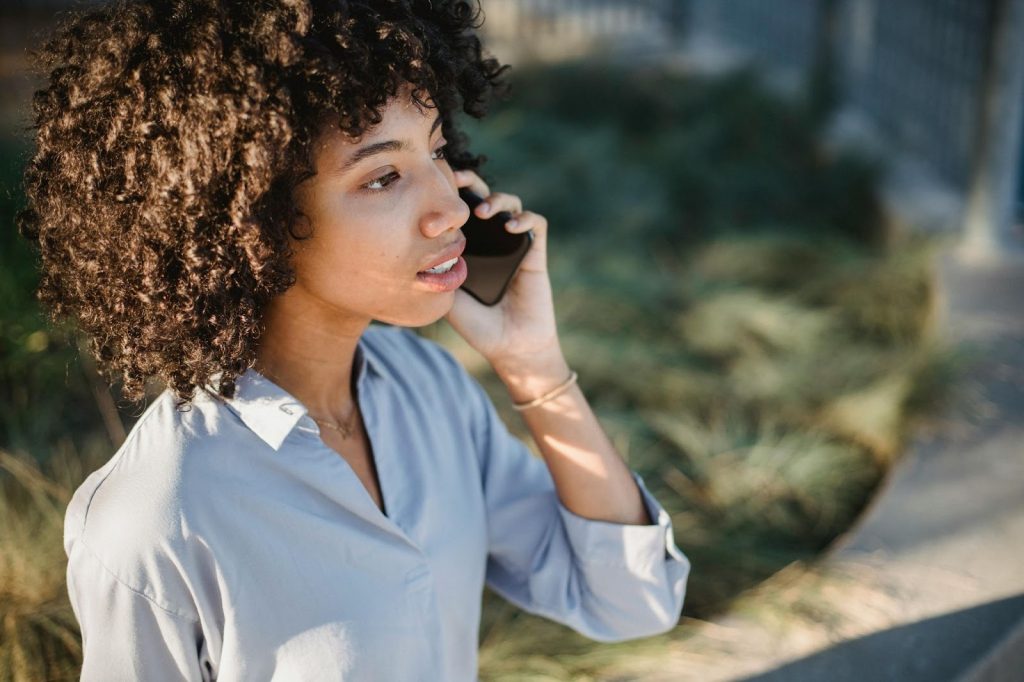
Building assistance programs is a highly effective approach to ensure low-income folks have immediate and reliable connectivity. Providing low-cost and free phone services helps to bridge the digital divide, giving individuals in need access to important services, education, and healthcare.
Free eSIM with Free Government Services
The Lifeline program is the foundational federal initiative aimed at addressing the digital divide by enhancing the affordability of communication services for low-income Americans. Established in 1985, Lifeline’s goal is that all Americans have access to basic telecommunications services, including phone and internet.
The standard discount is up to $9.25 per month for phone or internet services. For eligible subscribers on federally recognized Tribal lands, the discount increases to $34.25 per month.
While the Lifeline benefit applies directly to service costs, participating wireless providers offer qualifying customers a free device, along with a SIM card or free eSIM.
eSIM Technology Offers Main Advantages
With traditional physical SIM cards, users are required to wait for the card to be delivered or visit a retail location, manually insert it using a SIM tray tool, and physically swap it when switching carriers or plans. Conversely, eSIM activation is carried out entirely through digital means.
AirTalk Wireless customers can activate their service digitally by downloading their carrier profile directly to their device’s embedded chip.
Activation happens through a simple QR code scan, the AirTalk app, or automatic setup, no need to wait for mail delivery or store visits. Users can switch plans or manage their service instantly through their phone’s settings.
For AirTalk Wireless users who travel, particularly those with family abroad, eSIM technology allows them to add a local data plan while keeping their AirTalk number active. This dual-SIM capability means staying connected internationally without losing access to their Lifeline benefits back home.
Getting a Free eSIM Has Never Been Easier
To receive a free phone with a free eSIM, you must be eligible for the Lifeline program.
Applicants can sign up with a Lifeline provider that offers eSIM activation and confirm via the provider’s website or customer service that eSIMs are supported for the Bring Your Own Device (BYOD) program or that the provider offers eSIM-compatible devices, including free iPhone 11.
If you choose BYOD, you must verify that your smartphone is eSIM-compatible, which typically includes iPhones 11 and newer, as well as flagship Google Pixel or Samsung Galaxy models (S20, Fold, Flip, and newer).
Once approved, the provider sends a QR code or uses an app to instantly download the service profile onto the phone’s embedded eSIM chip.
Eligibility for Lifeline is limited to one discount per household and is based on either income or participation in certain federal assistance programs. Households may qualify if their income is at or below 135% of the Federal Poverty Guidelines. Program-based eligibility is also available for individuals participating in programs such as SNAP and Medicaid.
Are eSIMs Sustainable?
A prominent advantage of eSIM technology is its environmental impact. Conventional physical SIM cards produce substantial quantities of plastic and associated carbon emissions. eSIMs reduce the need for production, packaging, and disposal linked to physical cards.
Despite these, numerous problems affect the long-term sustainability of eSIM technology. A major element is the device lifecycle in relation to evolving network standards, such as the transition from 5G to future 6G networks.
On the positive side, eSIMs enable users to switch carriers or upgrade service plans without the need for hardware replacements, potentially extending the device’s operational lifespan. The embedded eUICC chip is built to last for the life of the phone, reducing SIM-related waste.
Future Outlook
As smartphones and mobile connectivity become increasingly vital, the demand for affordable and reliable devices is anticipated to increase. Collaboration between federal programs, state initiatives, nonprofit organizations, and private carriers will likely become even more important to expand coverage, improve device quality, and close the digital divide for vulnerable populations nationwide.