
The Veil Dilemma: When to Clean and Box Separately
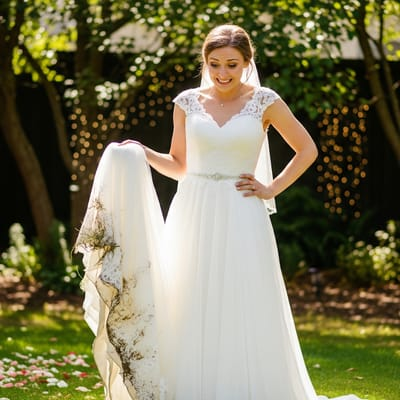
The wedding veil, whether a simple blusher or a dramatic cathedral-length veil, is often the most delicate and easily damaged textile in the bridal ensemble. While the gown demands immediate attention, the veil is frequently bundled up and forgotten. Yet, this fragile fabric—fine tulle, delicate lace, and intricate beading—requires its own highly specialized approach to preservation.
At the core of expert wedding dress preservation is a simple question: Should your veil be cleaned and preserved with your gown, or does it need separate, specialized care? We dive into the science of protecting this treasured heirloom.
The Core Decision: Cleaning Wedding Veil SeparatelyAssessing Contamination: When Separate Treatment is Essential
It might seem logical to clean the entire ensemble together, but the veil often presents a unique set of challenges that necessitates specialized treatment, entirely separate from the gown’s cleaning process.
Is the veil always cleaned with the gown, or does it need separate treatment?
The veil is often cleaned separately if it has different materials (e.g., synthetic tulle vs. silk gown) or higher soil contamination, especially at the hemline. Experts treat items based on the material and soil type, not simply convenience. For instance, a synthetic tulle veil may require different, gentler solvents or a different soaking time than a heavy satin gown. If the veil’s hemline has ground-in mud or floor soil that is significantly heavier than the gown’s staining, isolating it ensures that aggressive spot treatments used on the veil do not accidentally damage the delicate fabric of the dress itself.
Material Matters: The Preservation Needs of Fine Tulle and Lace
Tulle and lace are notoriously fragile. Synthetic materials can melt under excessive heat, and natural fibers like silk lace are highly susceptible to yellowing and tearing. This is why their structure often necessitates gentle hand-cleaning techniques and extremely controlled temperature drying by a specialist to maintain their integrity. This precise care is vital when you intend to preserve cathedral veil styles.
The Ultimate Challenge: Folding Veil for Storage and Preventing CreasesRolling vs. Folding: Protecting Long, Flowing Textiles
The moment a large textile is creased, you create permanent stress points in the fibers. For a fragile veil, a sharp fold can become a permanent, damaging line—or even a tiny, invisible tear that compromises the entire textile. This is why professionals prioritize reducing sharp lines.
Should a long, cathedral-length veil be folded or rolled for preservation?
Rolling is the preferred method for any storing long wedding veil, especially cathedral-length veils. Folding creates permanent, severe stress creases; rolling distributes the textile stress over a much wider radius, effectively preventing tulle creasing and avoiding sharp lines. This ensures the best, most beautiful results when the veil is eventually taken out of the archival box.
The Anti-Creasing Strategy: Acid-Free Tissue & Spacing
To combat creasing and moisture, a physical buffer must be used during the final packaging stage.
What can be done to prevent creasing in tulle and lace veils?
The main defense against creasing is using the rolling method and then placing acid-free tissue paper between every fold or layer. The tissue serves two critical purposes: it absorbs pressure to prevent stress marks and acts as a buffer to wick away any residual moisture, which is crucial for preventing tulle creasing. If the veil must be folded due to box size, professionals ensure the folds are gentle and meticulously padded with archival-grade paper.
Veil Length
Recommended Storage Method
Primary Risk
Key Preventative Measure
Cathedral (Long)
Controlled Rolling
Permanent Creases/Cracks
Acid-free tissue between layers
Fingertip (Medium)
Gentle Folding/Interleaving
Stress Marks on Tulle
Support beading with padding
Blusher (Short)
Flat Lay or Folding
Damage to Embellishment
Separate from heavier dress layers
Storing Long Wedding Veil Correctly for the Future
Your veil is a priceless heirloom that requires specialized attention—from the moment of cleaning wedding veil separately to the final folding veil for storage. Choosing a professional eliminates the risks associated with amateur care, ensuring this delicate accessory remains flawless for future generations.
At Dress Preservation, we understand that preserving a full bridal ensemble means treating every textile, no matter how small, with museum-quality care. Ensure your delicate accessories receive expert attention. Learn more about preserving your full bridal ensemble with us.