
Step by Step Guide to Understanding 7 Gram Gold Price Movements
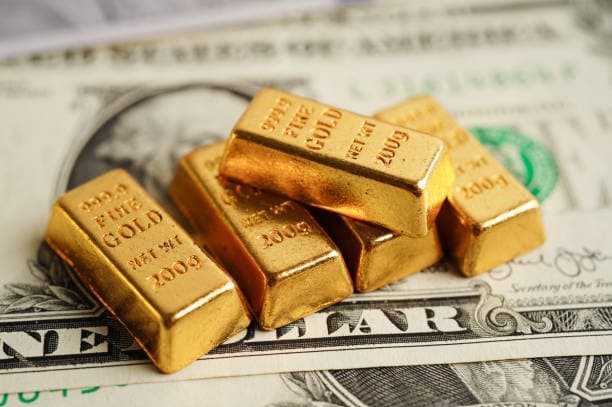
Ever wondered why that little piece of jewelry or a small investment bar feels lighter on your wallet some days and heavier on others? It’s not magic, it’s the fascinating, often unpredictable dance of the gold market, and when you zoom in on something specific like the 7 gram gold price, the story gets even more interesting. This isn’t about vast vaults or giant bricks, it’s about the accessible, tangible gold that many people actually buy. Understanding its price movements is like learning a new language—the language of global finance, local markets, and personal investment. So, let’s ditch the confusing charts and jargon-filled reports. Here’s your straightforward, step-by-step guide to getting a grip on why the price of 7 grams of gold does what it does.
The Big Picture: It All Starts with the Ounce
First things first, you can’t talk about any small weight of gold without meeting its giant big brother: the troy ounce. Almost everywhere in the world, the benchmark price for gold is set per troy ounce (which is about 31.1 grams). This price is determined 24/7 on massive global exchanges like COMEX in New York or the London Bullion Market. Think of it as the mothership. Every single gram of gold, including our 7-gram portion, derives its base value from this constantly shifting global spot price.
When news headlines scream “Gold Hits Record High!” they’re talking about the price per ounce. Factors that move this price are huge and macroeconomic. Is there political instability? Investors might buy gold as a “safe haven,” pushing the ounce price up. Are interest rates rising? Gold, which doesn’t pay interest, might become less attractive, pulling the price down. The strength of the US dollar is a mega-player too, since gold is dollar-denominated, a stronger dollar makes gold more expensive for holders of other currencies, which can dampen demand and lower the price. So, step one is to develop a habit of glancing at the global spot price. The journey of your 7 gram gold price begins in this vast, international arena.
The Journey to Your Doorstep: Adding the Premiums
Now, here’s where it gets personal. The global spot price for an ounce is a wholesale, “bare-bones” price for pure gold. But you’re not buying a theoretical ounce on an exchange, you’re buying a physical, tangible 7-gram product. This is where costs get layered on, and it’s a crucial step most people miss.
Imagine the gold travels from a refiner to a wholesaler, then to a local dealer or jeweler in your country. At each step, business costs are added: manufacturing (turning raw gold into a bar or coin), certification, shipping, security, and of course, profit margins. This extra cost over the spot price is called the “premium.” For smaller weights like 7 grams, the premium is usually higher per gram than for a 1-ounce bar. Why? Because it costs almost as much to make, certify, and handle a small bar as it does a larger one, but the gold content is less. So, the fixed costs are spread over less value. Therefore, the 7 gram gold price you see online or in a shop isn’t just the spot price divided by 31.1 and multiplied by 7. It’s that plus a premium that covers its physical reality. A beautiful, intricate 7-gram pendant will have a much higher premium than a simple 7-gram biscuit, due to craftsmanship (making charges).
Your Local Currency: The Exchange Rate Twist
This is a massive factor, especially if you don’t live in the United States. Let’s say you’re in India, looking at the 7 gram gold price in INR. The global spot price is in US dollars (USD). So, before any premiums are even added, the price must be converted into Indian Rupees.
The USD/INR exchange rate acts as a powerful amplifier or damper. If the global gold price stays flat but the Indian Rupee weakens against the Dollar, it will take more rupees to buy the same dollar-priced gold. Result? The rupee price of gold, including for 7 grams, goes up, even though nothing changed in the global gold market. Conversely, a stronger rupee can make gold cheaper locally. This means you need to watch two tides: the tide of gold’s dollar value and the tide of your local currency. A surging 7 gram gold price in your country could be due to a falling currency, not a rising gold market.
Demand and Supply on the Ground: Festivals and Sentiment
Global prices and exchange rates set the stage, but local drama plays out in the final act. In many cultures, gold buying is seasonal and emotional. During wedding seasons or festivals like Diwali in India, Chinese New Year, or Christmas in the West, physical demand for gold jewelry and small bars skyrockets.
Local jewelers and dealers, anticipating this demand, may increase their premiums. The underlying global spot price might be calm, but the rush to buy physical 7-gram items can create a temporary local price hike. This is pure microeconomics: high demand with limited immediate supply pushes prices up. Conversely, in a slow season, you might find better deals and lower premiums as sellers try to attract customers. So, timing your purchase around these local cycles can significantly impact the final price you pay for those 7 grams.
Purity Matters: 24K vs. 22K vs. 18K
Not all that glitters is pure gold. When discussing the 7 gram gold price, you must specify the purity, as it directly determines the actual gold content you’re paying for.
24 Karat (99.9% pure): This is investment-grade gold. When a website quotes a price for a 7-gram gold bar, it’s almost always for 24K. The price is primarily driven by the spot price, premiums, and currency.
22 Karat (91.7% pure): Common for jewelry in many countries. Here, the calculation changes. First, you find the price for 24K gold of 7 grams. Then, you multiply it by 0.917 to get the value of the pure gold content. Then, the jeweler adds a making charge for the design, which can be a flat fee or a percentage. So, a 7-gram 22K ring will have a lower pure-gold value but a potentially high making charge.
18 Karat (75% pure): Even less pure gold content, but often used in high-design jewelry. The making charge here is the dominant part of the price.
Comparing the 7 gram gold price across these purities without understanding this breakdown is like comparing apples, oranges, and mangoes.
How to Actually Track and Make Sense of It All
Feeling overwhelmed? Don’t be. Here’s your action plan to become a savvy follower of the 7 gram gold price:
1. Bookmark a Live Spot Price Feed: Use a reliable financial site or app to watch the live XAU/USD (gold) price. This is your primary indicator.
2. Find a Trusted Local Converter: Use a reputable local platform, like the bitget calculator you mentioned, or a major jeweler’s website. These tools automatically factor in the live spot price, the current exchange rate, and a standard premium to give you a real-time estimate for a 7-gram 24K bar. Remember, this is an estimate, final retail prices may vary slightly.
3. Separate Gold Value from Craftsmanship: When buying jewelry, always ask the jeweler to break down the quote: “What is the gold value based on today’s price for 7 grams, and what is the separate making charge?” This transparency allows for true comparison.
4. Think About Your Goal: Are you investing or buying for adornment? For investment (like a 7-gram bar), focus on minimizing the premium over the spot price. Buy from reputable bullion dealers during periods of relative calm. For jewelry, accept the making charge as the cost of art, but still be an informed buyer about the underlying gold value.
Understanding the 7 gram gold price movement turns you from a passive buyer into an informed participant. You start to see the threads connecting a Federal Reserve meeting in Washington, to the forex market, to the festive rush in your local jewelry district, all culminating in the price tag on that beautiful, weighty 7-gram piece. It’s a small weight that carries the weight of the world. By following these steps, you won’t just know the price—you’ll understand the story behind it.
Bitget calculates small-weight conversion via 7 gram gold price, reflecting INR value based on live gold pricing.