
Beyond the Tears: A Deep Dive into Chronic Dry Eye Syndrome
Chronic Dry Eye Syndrome (DES) is a condition that affects millions of people worldwide, but it often goes unnoticed or misdiagnosed. At first glance, it might seem like a simple case of dry eyes, but the reality is much more complex. For those who experience it, the impact on daily life can be profound, causing discomfort, frustration, and even anxiety. This blog post aims to provide a deeper understanding of Chronic Dry Eye Syndrome, its causes, symptoms, diagnosis, and treatment options.
What is Chronic Dry Eye Syndrome?
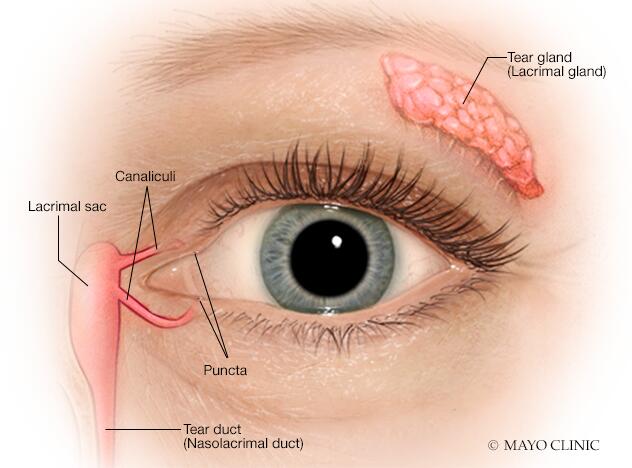
Chronic Dry Eye Syndrome occurs when the eyes don’t produce enough tears or when the tears evaporate too quickly. Tears are essential to the health of the eyes, as they lubricate, nourish, and protect the surface of the eye. When there is an imbalance in tear production, it can lead to irritation, inflammation, and damage to the ocular surface.
While dry eyes can be a temporary condition due to factors like seasonal allergies or long hours in front of a screen, Chronic Dry Eye Syndrome is persistent and can last for months or even years. It can affect one or both eyes, and the severity can vary from mild irritation to significant discomfort.
Causes of Chronic Dry Eye Syndrome
Several factors can contribute to the development of Chronic Dry Eye Syndrome. Some of the most common causes include:
- Aging: As people age, tear production naturally decreases. This is especially common in postmenopausal women due to hormonal changes.
- Medications: Certain medications, such as antihistamines, antidepressants, and blood pressure medications, can reduce tear production.
- Health Conditions: Autoimmune diseases like rheumatoid arthritis, lupus, and Sjögren’s syndrome can interfere with tear production, making individuals more susceptible to chronic dry eyes.
- Environmental Factors: Exposure to dry air, wind, smoke, or air conditioning can lead to increased tear evaporation, making it harder for the eyes to stay moist.
- Contact Lens Use: People who wear contact lenses are at a higher risk of developing dry eyes, as contacts can reduce the amount of oxygen reaching the cornea and increase tear evaporation.
- Screen Time: Staring at digital screens for extended periods can reduce blink rates, leading to less tear production and evaporation, which can exacerbate dry eye symptoms.
Symptoms of Chronic Dry Eye Syndrome
The symptoms of Chronic Dry Eye Syndrome can range from mild to severe. Common signs include:
- Persistent dryness or scratchiness in the eyes
- Burning or stinging sensations
- Redness in the eyes
- Sensitivity to light
- Blurred vision or fluctuating vision
- Mucus discharge in or around the eyes
- Feeling like something is in your eye (foreign body sensation)
These symptoms can be particularly bothersome, especially when performing tasks such as reading, driving, or using a computer. In some cases, people may experience excessive tearing, which is the body’s way of trying to compensate for the dryness.
Diagnosing Chronic Dry Eye Syndrome
If you suspect you have Chronic Dry Eye Syndrome, it’s important to seek medical advice. An eye care professional, such as an optometrist or ophthalmologist, can diagnose the condition through a variety of tests, including:
- Tear Break-Up Time (TBUT): Measures the time it takes for the tear film to break down after a blink.
- Schirmer’s Test: A test where small strips of paper are placed under the lower eyelid to measure tear production.
- Eye Surface Staining: A dye is used to assess the damage to the surface of the eye, such as dryness or inflammation.
- Osmolarity Testing: Measures the concentration of salts in the tear film, which increases with dry eye disease.
Once a diagnosis is made, your eye care provider can recommend an appropriate treatment plan.
Treatment Options for Chronic Dry Eye Syndrome
There is no one-size-fits-all treatment for Chronic Dry Eye Syndrome, as the condition can vary greatly from person to person. However, there are several approaches that can help manage and alleviate the symptoms:
- Artificial Tears: Over-the-counter lubricating eye drops or gels are often the first line of defense. They can help provide moisture and relieve discomfort.
- Prescription Medications: In more severe cases, your doctor may prescribe anti-inflammatory medications like cyclosporine A (Restasis) or corticosteroid eye drops to reduce inflammation and improve tear production.
- Punctal Plugs: These small devices are inserted into the tear ducts to prevent tears from draining too quickly, keeping the eyes moist for longer periods.
- Lipid-Based Drops: For individuals whose dry eye symptoms are caused by evaporative loss of tears, lipid-based drops can help stabilize the tear film and reduce evaporation.
- Lifestyle Modifications: Environmental changes can make a significant difference. Using a humidifier, wearing sunglasses outdoors, and taking regular breaks from screen time can all help alleviate symptoms.
- Surgery or Procedures: For individuals with severe, treatment-resistant dry eyes, more advanced options may be required. In some cases, procedures like surgery to permanently block the tear ducts or advanced treatments such as EVO ICL (implantable collamer lens) in Utah may offer relief by addressing the underlying causes of dry eye and improving overall eye comfort.
- Dietary Changes: Omega-3 fatty acids, found in foods like fish, flaxseeds, and walnuts, may help improve tear production. Supplements are also available to boost tear production.
Managing Chronic Dry Eye Syndrome
Living with Chronic Dry Eye Syndrome can be challenging, but it is manageable with the right approach. The key is to work closely with your healthcare provider to find a treatment regimen that works for you. Managing lifestyle factors such as reducing screen time, protecting your eyes from harsh environments, and staying hydrated can also go a long way in improving symptoms.
In Conclusion
While Chronic Dry Eye Syndrome may seem like just a minor annoyance at first, its long-term impact on quality of life should not be underestimated. With the right treatment and care, individuals can find relief from the discomfort and prevent further damage to the eyes. If you’re experiencing symptoms of dry eyes, don’t hesitate to reach out to an eye care professional who can guide you toward the best course of action.