
A Deep Dive into Sustainable Tyre Manufacturing Practices
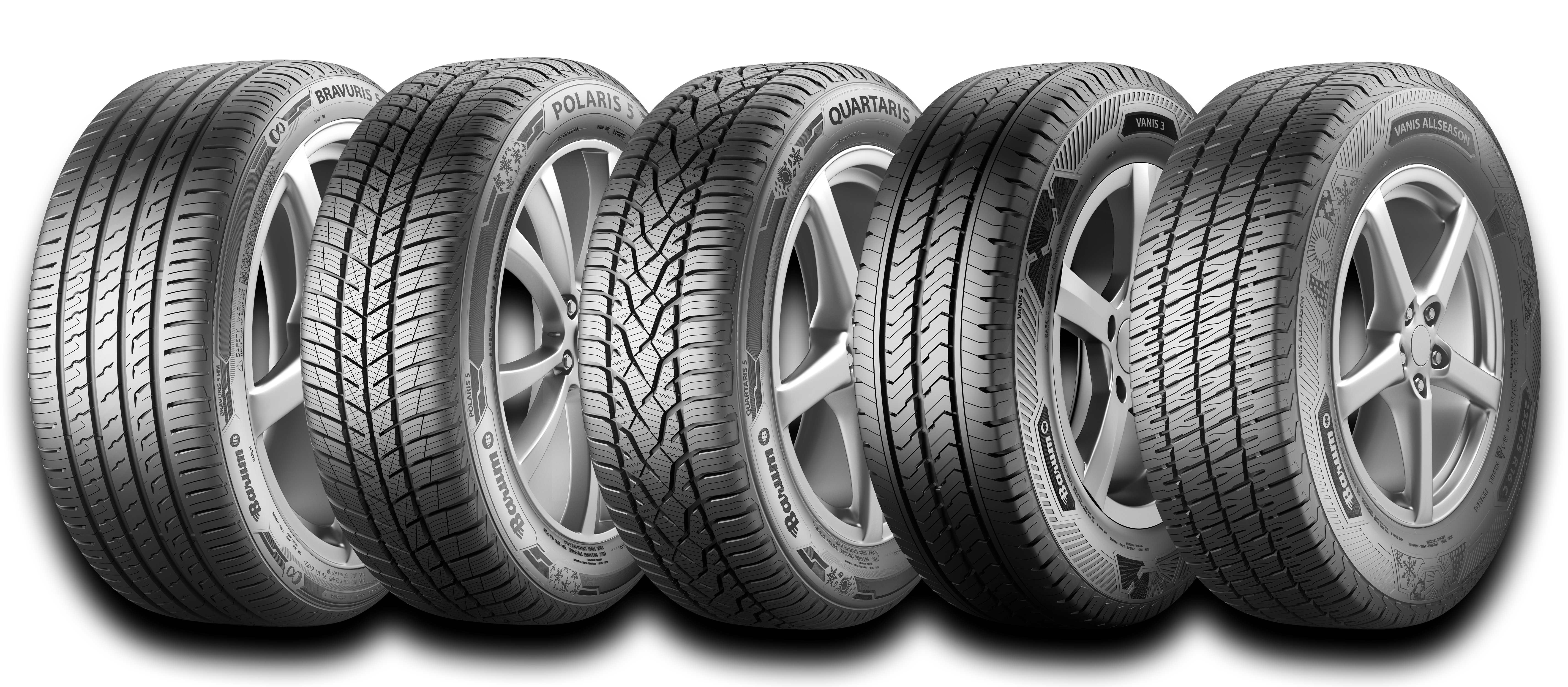
The demand for environmentally friendly products is rising across all industries, and the tyre manufacturing sector is no exception. As concerns about carbon emissions, resource depletion, and waste management grow, tyre manufacturers are shifting towards sustainable production practices.
Sustainable tyre manufacturing focuses on reducing environmental impact by using eco-friendly materials, minimizing energy consumption, recycling used tyres, and improving production efficiency. This transformation is crucial, as millions of tyres are discarded every year, contributing to pollution and landfill waste.
This article explores how manufacturers are adopting green solutions to create a more sustainable future for the tyre industry.
Why Sustainability Matters in Tyre Manufacturing
The Environmental Impact of Traditional Tyre Production
Conventional tyre manufacturing involves processes that significantly affect the environment:
- High Carbon Footprint: The production of tyres relies on energy-intensive methods that release large amounts of CO₂.
- Raw Material Depletion: Tyres are made from natural rubber, synthetic rubber, and petroleum-based products, which put pressure on natural resources.
- Tyre Waste and Pollution: Discarded tyres often end up in landfills or are incinerated, causing harmful emissions and environmental hazards.
- Microplastic Contamination: As tyres wear down, they release tiny particles that contribute to microplastic pollution in air, soil, and water.
To counter these issues, the industry is embracing sustainable tyre manufacturing practices that minimize environmental impact and improve overall efficiency.
Key Sustainable Practices in Tyre Manufacturing
Eco-Friendly Materials in Tyre Production
One of the most significant shifts in sustainable tyre manufacturing is the use of alternative, eco-friendly materials that reduce reliance on non-renewable resources.
- Natural Rubber from Sustainable Plantations: Companies are investing in responsibly sourced rubber from farms that prioritize biodiversity conservation and ethical labor practices.
- Bio-Based Alternatives: Researchers are developing synthetic rubber from renewable sources like dandelions and guayule plants, which require less water and grow in harsh climates.
- Silica from Rice Husks: Some manufacturers use silica extracted from rice husk waste instead of traditional sand-based silica, reducing energy consumption and carbon emissions.
- Soybean Oil and Orange Peel Extracts: Vegetable-based oils and citrus-derived compounds are replacing petroleum-based ingredients, making tyres more biodegradable.
By using natural and renewable resources, tyre companies can reduce the industry’s dependency on fossil fuels and lower its ecological footprint.
Energy-Efficient Manufacturing Processes
Sustainable tyre manufacturing also involves reducing energy consumption and emissions during production. Companies are adopting:
- Solar and Wind Energy: Many tyre factories are switching to renewable energy sources to power their operations, decreasing reliance on fossil fuels.
- Low-Emission Production Techniques: Advanced manufacturing methods, such as cold-curing technology, use less energy compared to traditional vulcanization processes.
- Carbon Capture Technologies: Some manufacturers are integrating systems that capture and repurpose carbon emissions, further reducing their environmental impact.
- Smart Factory Automation: AI-driven systems optimize energy use by adjusting machinery functions in real time, reducing waste and improving efficiency.
These energy-efficient approaches not only cut down greenhouse gas emissions but also lower production costs, benefiting both manufacturers and consumers.
Tyre Recycling and Circular Economy Initiatives
Tyre waste is a major environmental challenge, with millions of tyres being discarded each year. To address this, companies are implementing circular economy models that focus on recycling and reusing old tyres instead of discarding them.
- Retreading Technology: Retreading extends the lifespan of tyres by replacing worn-out tread, reducing waste and lowering production demands.
- Recycled Rubber Integration: Old tyres are processed into crumb rubber, which can be used in new tyre manufacturing or repurposed for other applications like road surfaces and playgrounds.
- Pyrolysis Recycling: Some companies use pyrolysis technology, which breaks down old tyres into oil, gas, and carbon black, all of which can be reused in new products.
- End-of-Life Tyre Collection Programs: Manufacturers collaborate with governments and recycling facilities to collect and process used tyres responsibly.
By promoting recycling, tyre companies are significantly reducing landfill waste and pollution, making tyre production more circular and sustainable.
Reducing Rolling Resistance for Better Fuel Efficiency
Sustainable tyre technology is not just about manufacturing—it also includes improving tyre performance to reduce vehicle emissions. One key innovation is the development of low rolling resistance (LRR) tyres.
- What is Rolling Resistance? It refers to the force required to keep a tyre moving. The lower the rolling resistance, the less energy (or fuel) a vehicle needs to move forward.
- Eco-Friendly Tread Compounds: Manufacturers use advanced rubber compounds and silica-based fillers to create tyres that roll more efficiently.
- Improved Tyre Designs: Optimized tread patterns and aerodynamic sidewalls reduce air drag and improve efficiency.
By adopting LRR technology, tyres contribute to better fuel economy and lower CO₂ emissions, making vehicles more eco-friendly.
Leading Brands in Sustainable Tyre Manufacturing
Several major tyre manufacturers are leading the way in sustainability:
- Michelin: The company is investing in 100% sustainable materials for tyres by 2050 and developing airless tyres that eliminate waste.
- Bridgestone: Bridgestone is incorporating bio-based materials and working on fully recyclable tyres.
- Goodyear: Goodyear has introduced soybean oil-based rubber compounds and is developing self-regenerating tyre tread technology.
- Continental: Continental is researching dandelion-derived rubber and using recycled PET bottles in tyre production.
- Pirelli: Pirelli focuses on reducing carbon emissions with certified sustainable rubber plantations and low-impact manufacturing.
These companies are setting industry standards for eco-friendly tyre production, proving that sustainability and performance can go hand in hand.
Future of Sustainable Tyre Manufacturing
The future of tyre manufacturing will see even greater advancements in sustainability, including:
- Self-Healing Tyres: Tyres with materials that can automatically repair minor damage, reducing the need for frequent replacements.
- Fully Biodegradable Tyres: Research is ongoing to develop tyres that completely break down into non-toxic components after their lifespan.
- 3D-Printed Tyres: Additive manufacturing can help reduce material waste and energy consumption during production.
- AI-Driven Sustainability Improvements: Artificial intelligence will continue to optimize tyre designs, production efficiency, and recycling methods.
With these innovations, the industry is moving towards a future where tyres are smarter, cleaner, and more eco-friendly than ever before.
Final Thoughts
Sustainable tyre manufacturing is no longer an option—it is a necessity. By embracing eco-friendly materials, energy-efficient production, tyre recycling, and low rolling resistance designs, manufacturers are making significant progress toward a greener future.
As technology evolves, we can expect even more revolutionary solutions that enhance both sustainability and performance. Whether you are a driver, fleet manager, or environmental advocate, supporting sustainable tyres is a step toward a cleaner planet and a more responsible automotive industry.