
What to Know About Commodity Market Trading and Price Movements
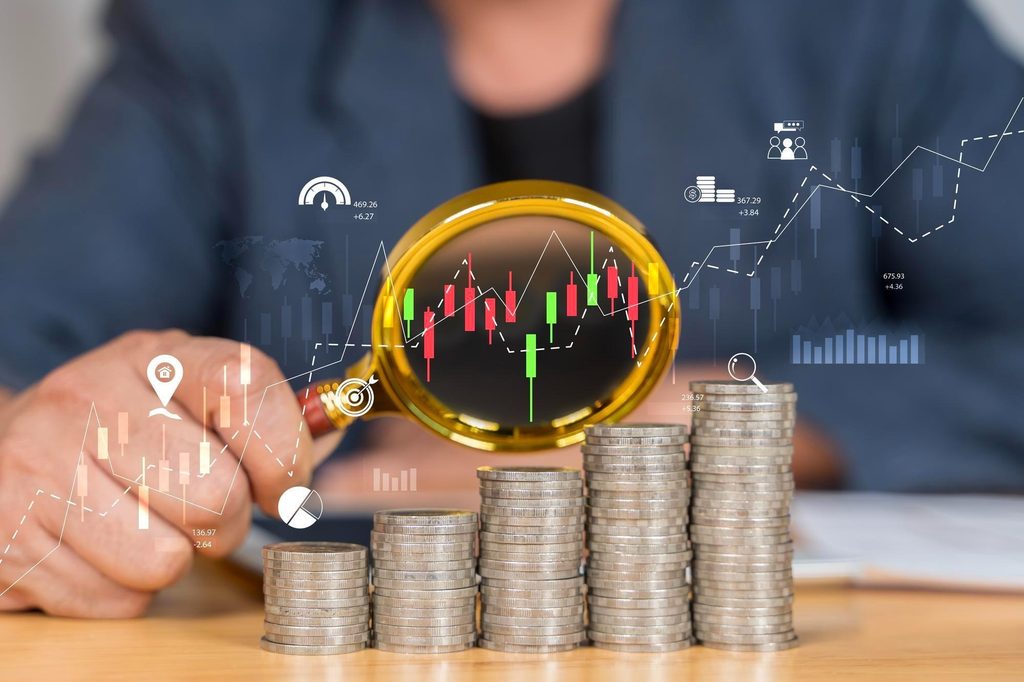
Commodities are essential materials and agricultural products traded in global markets, including gold, silver, crude oil, natural gas, coffee, and sugar. Their prices fluctuate as market conditions, supply and demand, and economic developments change. For anyone exploring commodity market trading in India, understanding these movements is important before making trading decisions.
Contracts for difference (CFDs) allow traders to speculate on commodity price movements without owning the underlying physical assets. However, prices can change unexpectedly, and leverage can increase both potential gains and losses. Understanding market information, trading tools, costs, and risk management helps traders make more informed decisions.
Why Commodity Prices Move
Commodity prices change as buyers and sellers react to information and expectations. Energy prices can respond to supply, demand, and geopolitical developments. Metals may attract attention during economic uncertainty, while agricultural commodities can react to information affecting their markets.
These factors do not predict prices reliably. News may already be reflected in the market, or prices may move differently than expected. Traders should monitor market updates and charts rather than assume an event will always produce the same result.
Three Main Commodity Categories
Metals
Gold, silver, platinum, and copper are precious and industrial metals available through commodity CFDs. Traders can follow their quoted prices and consider market developments, but each metal responds differently, and past behavior does not guarantee future results.
Energy
Brent crude oil, WTI crude oil, and natural gas are energy markets. Prices can respond to supply-and-demand dynamics and geopolitical events. Because energy markets can move sharply, review price changes and relevant news before opening a position.
Agricultural Commodities
Cocoa, coffee, and sugar are agricultural commodities available on platforms offering these markets. Prices change as expectations shift. Check each instrument’s details and available market information rather than treating agricultural commodities as one uniform category.
How CFDs Work in Commodity Trading
A CFD is a contract based on the price movement of an underlying market. When trading a commodity CFD, a trader does not own the physical commodity or receive delivery of it. Instead, the trader opens a position based on whether they expect the price to rise or fall.
If the price moves as anticipated, a position may gain; if it moves against the trader, it can lose. Results depend on price movement, position size, leverage, and applicable charges. CFDs are leveraged products, so small market movements can have a large effect on an account balance.
Tools for Following Price Movements
Charts help traders observe price changes and identify levels to monitor. Price alerts notify users when an instrument reaches a selected level. An economic calendar and market news help track events that may influence markets. These tools provide information, but cannot predict prices or remove risk.
Check whether displayed prices are live. Some market tables show delayed data, while a trading platform may provide updated quotes. Review the price and spread before placing an order, because the difference between buy and sell prices affects trading costs.
Reading Market Information Carefully
A price chart shows what an instrument has done over a selected period, while market news gives context for changes in sentiment. Neither source provides certainty. Compare information from more than one source, note the time of the quote, and avoid making decisions from a single headline. If a price is moving quickly, consider whether the trade still fits your plan and whether the possible loss remains acceptable before submitting an order.
Risk Controls and Trading Discipline
Risk management is essential in CFD trading. A stop-loss order is designed to close a position at a preset price, although execution can vary in fast markets. Take-profit orders can close positions at a chosen level. Pending orders can open positions at specified prices, while mini-sized trades allow smaller positions. Price alerts help track selected levels.
These features cannot guarantee against losses. Leverage magnifies gains and losses, and losses may exceed deposits on some margin products. Understand leverage, choose position sizes carefully, and avoid risking money you cannot afford to lose. Review any negative balance protection in the account terms.
Choosing a Trading Platform
When comparing platforms, consider whether the available markets, prices, tools, and account conditions meet your needs. Compare charting, order types, price alerts, market news, and fee clarity. A demo account lets users practice with virtual funds and learn how orders work before risking real money.
People searching for the best commodity trading platform in India should check the provider’s legal entity, regulatory status, country eligibility, and the risks of leveraged products. Access does not mean every product is suitable or legally available to every user. Verify current terms and seek independent advice if unsure.
Reviewing Costs Before Trading
Even if a provider advertises zero commissions or no deposit and withdrawal fees, trading may still involve costs. The spread, or difference between buy and sell prices, affects a position from the outset. Overnight financing or other charges may apply depending on the product and account terms. Read pricing information before trading.
Also review payment methods, withdrawal conditions, identity verification, and location restrictions. Do not rely on a headline offer alone. Read full terms, especially when introductory promotions are conditional.
Build Knowledge Before Taking a Position
Commodity markets provide exposure to different underlying assets, but they are not predictable. Learn how an instrument works, what moves its price, how quotes appear, and what order types do. Practice with virtual funds, review outcomes, and understand volatility. Past movements do not promise future performance.
Conclusion
Understanding market categories, price drivers, CFD mechanics, platform tools, and costs supports informed decisions. For anyone considering commodity market trading in India, risk awareness is essential: prices can move unexpectedly, leverage increases exposure, and losses are possible. Review the provider’s terms and regulatory status, practice with virtual funds where available, and trade only when you understand the product and can afford the risk.
Explore commodity CFD markets with Baazex, offering access to commodity CFDs across metals, energy products, and agricultural markets. Traders can explore instruments such as gold, silver, crude oil, natural gas, cocoa, coffee, and sugar. Their trading platform provides charts, price alerts, and order controls to help users follow market movements. Traders can also practice using a demo account with virtual funds before considering live trading and reviewing applicable fees and risks.